Mind-body disconnect
 Loss of presence
 Inability to focus
 Low mood
 Anxiety
 Depression
In this state, your mind drifts into stressful loops of worry and regret while your life runs completely on autopilot.

At the core of many mental health challenges is a common biological state: the Default Mode Network (DMN). This is the brain’s ‘autopilot’. While useful for reflection, an overactive DMN often leads to ‘looping’—the repetitive, unproductive cycles of thought that make us feel stuck. Portals is designed as a Structured Creative Interrupt. It is a method to physically shift your brain activity from these loops into a state of Flow.
Activating the Task-Positive Network



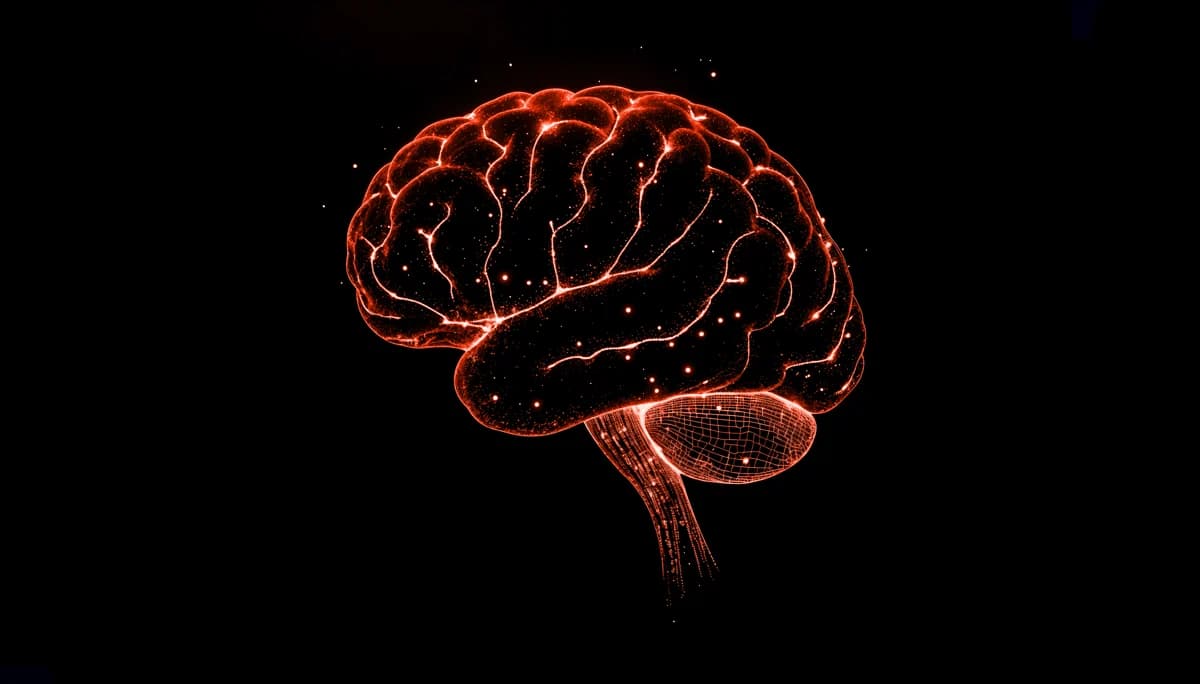
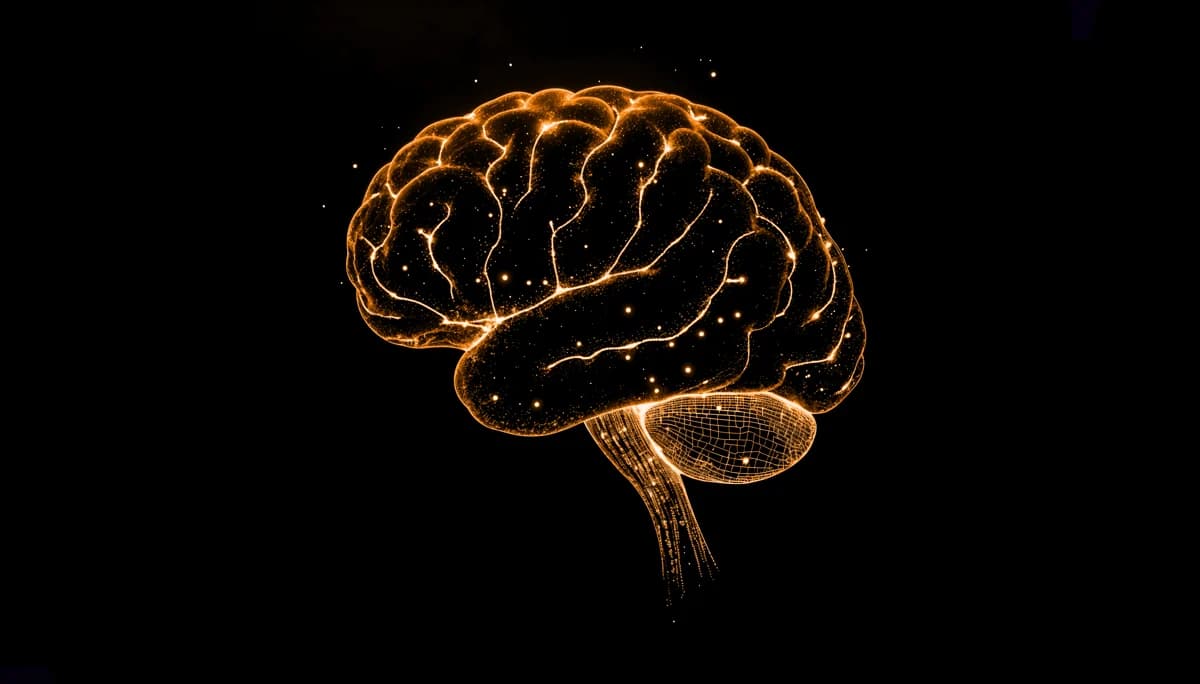

Interrupts Autopilot Patterns
Activates Task-Positive Network
Mind-body disconnectLoss of presenceInability to focusLow moodAnxietyDepressionIn this state, your mind drifts into stressful loops of worry and regret while your life runs completely on autopilot.
 VISUAL
 AUDITORY
 TECTILE
Engaging multiple senses creates a pathway from mental overload to calm, focused attention.
 Focus
Focus Increased Productivity
 Mental Clarity
 Motivation
 Presence
 Goal-Directed Action
The Portals activate the Task-Positive Network, helping shift the brain into a state of focus, clarity, and purposeful action.
By engaging visual, auditory, and tactile senses together, Portals shifts your brain from reactive autopilot into a state of active focus and engagement.
Activating the Task-Positive Network
The Circuit Breaker:Activating the Task-Positive Network When stress, distraction, or repetitive thinking takes hold, the brain can become locked in a reactive mode. Portals serve as a circuit breaker, engaging visual, auditory, and tactile senses at the same time. This multisensory experience helps activate the Task-Positive Network (TPN), shifting the mind toward focus, mental clarity, presence, and purposeful action.
Intuitive Choice
Modern life often results in decision overwhelm, making it difficult to find the mental energy for self-regulation.
The Method: Portals use a streamlined selection process to reduce the mental friction often associated with starting a new task.
The Science: By providing a guided, intuitive selection of elements, we support a sense of agency without adding to cognitive load. This balance is key to Behavioural Activation, the process of using small, purposeful actions to shift the emotional baseline.
Our approach leverages Neuroaesthetics, the study of how the brain responds to visual harmony, structure, and aesthetic experience.
Symmetry: Symmetrical patterns provide a structured anchor for the visual system. This reduces cognitive clutter and can have a naturally grounding effect on the nervous system.
Resonance: By selecting elements that mirror an individual’s internal state, we externalise subjective experience, making it more tangible, structured, and easier to process.
In our internal pilot studies, consistent engagement with the ‘20-minute reset’ resulted in a notable shift in user well-being.
Validated Results: Our data indicates a statistically significant improvement in self-regulation, moving users from a state of distress toward a more minimal, sub-clinical emotional profile.
Real-World Impact: These improvements suggest that the changes reported by users are consistent, repeatable, and deeply felt in their day-to-day lives